
4-Way vs. 2-Way Wood Pallets: Which Is Right for Your Business?
Choosing the right wood pallets can make a difference in how efficiently your products move through your facility and reach your customers. One of the first decisions is whether you need 2-way pallets or 4-way pallets.
The difference comes down to where handling equipment can enter the pallet. The best choice depends on your equipment, loading process, product requirements, and customers’ receiving operations.
What Are 2-Way Pallets?
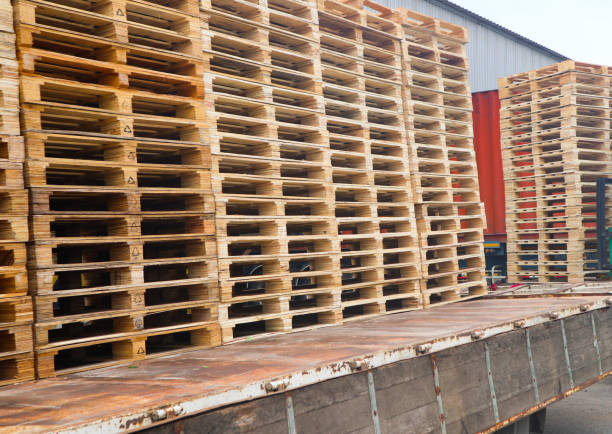
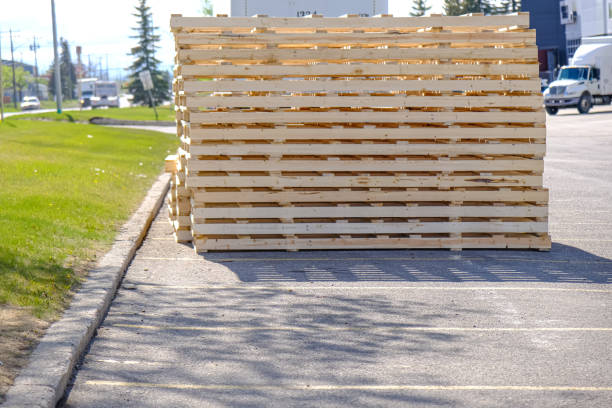
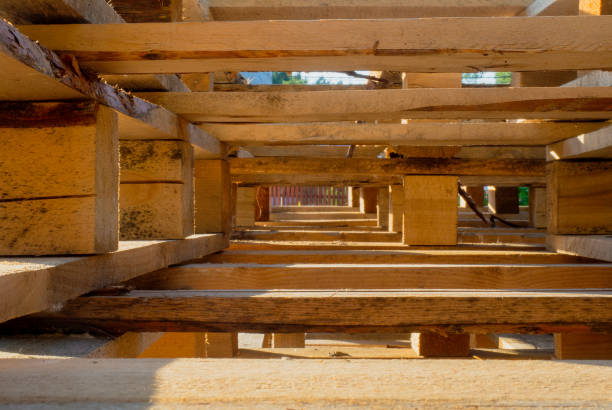
A 2-way pallet allows entry from two opposite ends. These wood pallets typically use solid, unnotched stringers—the support pieces running beneath the deckboards. Their construction prevents forklift entry from the two remaining sides.
Two-way pallets can be a practical choice when products move through a predictable process and operators can consistently approach loads from the correct direction. For example, a manufacturer moving products between fixed production stations may have little need for side access.
Depending on the specifications, their simpler construction can also offer an economical option. Actual pricing depends on pallet size, lumber, quantities, and the required load capacity.
What Are 4-Way Pallets?
A 4-way pallet allows forklift entry from all four sides. However, buyers should understand the distinction between partial 4-way entry and full 4-way entry.
Notched stringer pallets provide partial 4-way entry: forklifts can access the pallet through the ends or through notches cut into the stringers. Hand pallet trucks generally need to enter through the two ends.
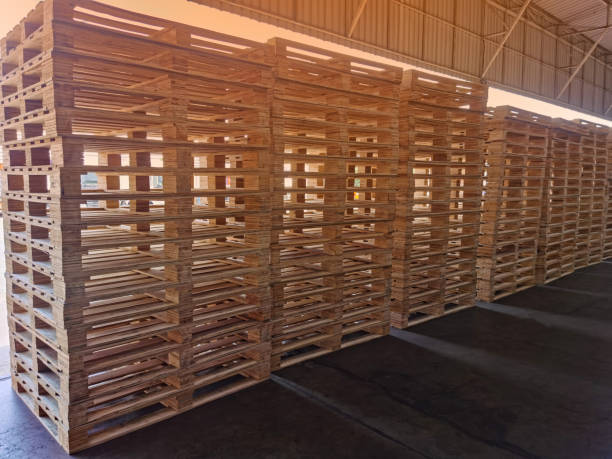
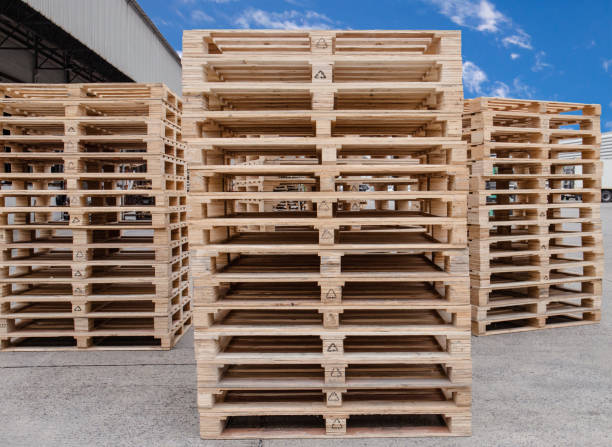
Full 4-way pallets use a construction that permits compatible handling equipment to enter from all four sides. Block pallets can provide this access, although bottom-board layout affects equipment compatibility.
That additional access can help businesses reduce repositioning when loading trailers, working around other freight, or moving products through busy receiving areas.
2-Way vs. 4-Way Pallets at a Glance
- 2-way pallets — Entry from two opposite ends only. A good fit for fixed, repeatable handling paths where operators always approach loads from the same direction.
- Partial 4-way (notched stringer) pallets — Forklifts can enter from all four sides; hand pallet trucks still enter from the two ends. A flexible middle ground for many warehouses.
- Full 4-way (block) pallets — Compatible equipment can enter from all four sides. Well suited to busy docks, tight trailers, and operations where loads are picked up from any direction.
How to Choose the Right Pallet for Your Operation
Before ordering, walk through how your pallets will actually be handled from the moment they’re loaded until your customer receives them:
- What equipment do you use? If your team relies on pallet jacks as well as forklifts, check which sides each piece of equipment can enter.
- How much room do operators have? In tight aisles and packed trailers, the ability to pick up a load from the side can save time and reduce product damage.
- Is your handling path predictable? Products that move the same way every time between fixed stations may not need side access.
- What do your customers require? Some receiving operations specify 4-way or block pallets, so confirm requirements with the companies you ship to.
- What are your load and budget requirements? Pallet size, lumber, construction, and quantity all affect cost and load capacity.
If your needs fall somewhere in between, a custom-built pallet can combine the entry style, dimensions, and strength your products require.
Conclusion
The choice between 2-way and 4-way wood pallets comes down to how your products move. Two-way pallets work well for predictable, repeatable handling, while partial and full 4-way pallets give operators more flexibility when loading trucks, navigating busy docks, or meeting customer receiving requirements.
Day Lumber builds block pallets, stringer pallets, and four-way notch designs in industry-standard and custom sizes. Explore our wood pallets and skids to find the right fit for your operation, or request a free quote to get started.